Review: Brittany Ferries Portsmouth to Santander Overnight Crossing
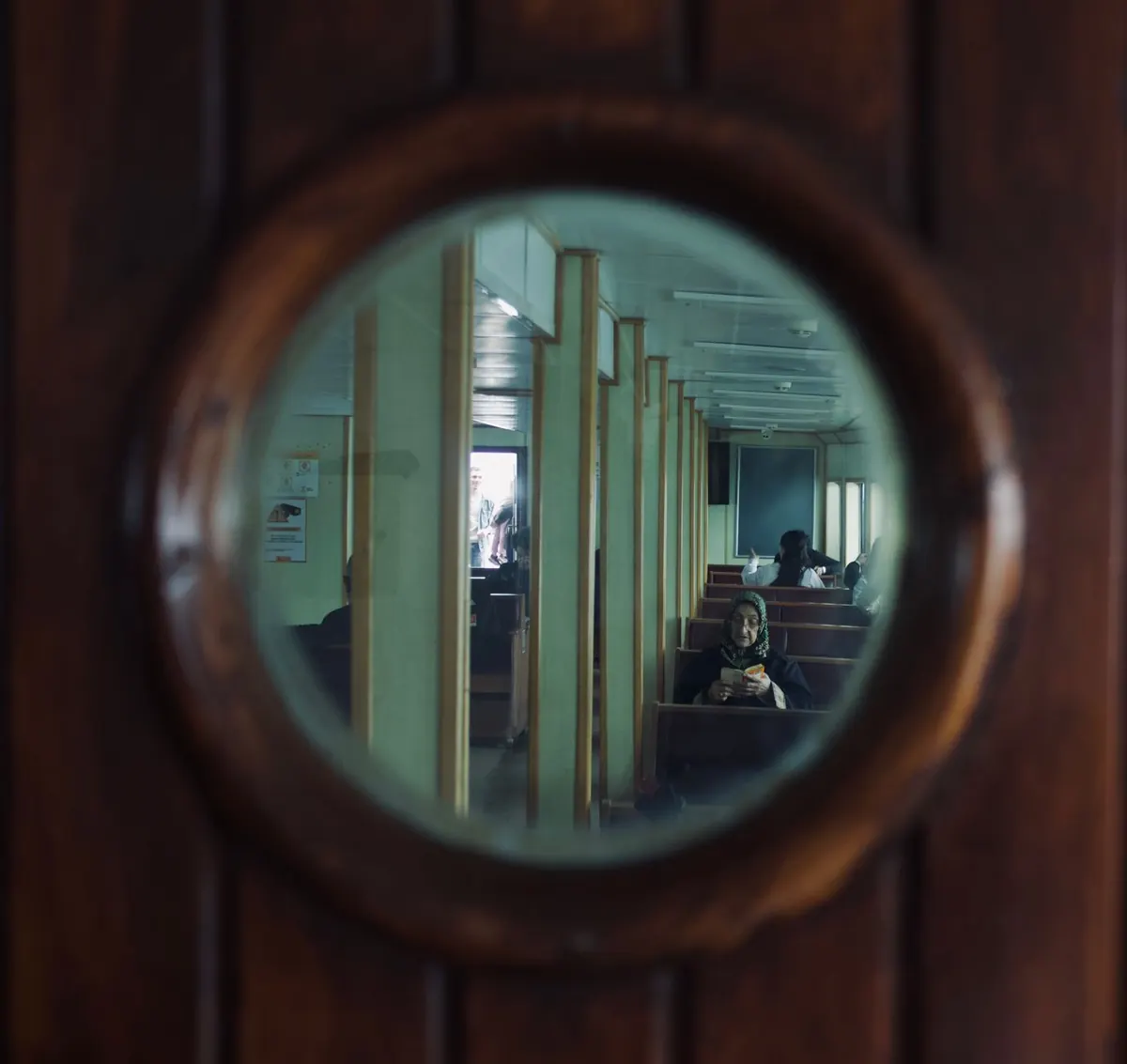
Twenty-four hours at sea is a different kind of ferry crossing. You don't simply travel from Portsmouth to Santander; you eat dinner, sleep, watch the Bay of Biscay slide past the window and wake up in northern Spain. It is one of the longest sailings in the Brittany Ferries network, and it divides opinion sharply. Some passengers treat it as the first day of the holiday. Others find the hours between dinner and breakfast drag. Knowing what's actually on board makes it much easier to decide which camp you'll fall into.
Check-in at Portsmouth's continental ferry port is straightforward but not instant. Arrive at least ninety minutes before departure, and check the deadline printed on your booking — it can be earlier in peak season, when the car lanes fill with motorhomes and trailers. Boarding usually begins around an hour before sailing, and you'll be directed up the ramp and onto your deck by marshals who expect you to park tightly and, often, in reverse.
Here's the tip that matters most: once you park, you generally cannot return to your car until Santander. Pack a small overnight bag with everything you need for the crossing — toiletries, medication, chargers, a change of clothes, anything for children — and carry it up with you.
Standard cabins are compact but genuinely comfortable. Expect bunk beds or twin beds depending on grade, a small en-suite with shower, basin and WC, and enough storage for a couple of bags. Inside cabins are the cheapest proper sleep; outside cabins add a porthole or window, which matters more than you'd think when you're crossing for a full day.
Higher grades add space, a seating area and sometimes a larger bed or balcony, and some ships offer a premium lounge. Because inclusions vary by vessel and season, read the description at the time of booking rather than trusting an older review — including this one.
There are two real choices. The self-service restaurant is canteen-style, reasonably priced and open for breakfast, lunch and dinner, with a mix of hot dishes, salads and something plain for nervous stomachs. The waiter-service restaurant is the more relaxed, unhurried affair: a multi-course menu with a wine list, and the better option if you want the crossing to feel like the start of a holiday.
Tables in the waiter-service restaurant can fill quickly on the first evening, so reserve when you board or ask about pre-booking. Vegetarian dishes are standard on most menus now, and if you have allergies or specific dietary needs, speak to staff as soon as you're seated rather than assuming the menu covers you. Breakfast is served early on arrival day, so set an alarm if you want to eat before disembarking.
There's more to do than you'd expect, though not so much that you'll feel rushed. Most ships have a cinema, bars with a singer or small live act in the evening, a shop, and a play area for children. Some vessels add a pool and a spa. None of it is Las Vegas, and that's rather the point.
The day at sea passes best if you give it a loose shape: a slow breakfast, a walk around the outer deck, an hour with a book, a film in the afternoon, then dinner. Wi-Fi at sea is paid and patchy once you're offshore, so download films, podcasts and maps before you leave Portsmouth. Mobile signal fades within roughly an hour of departing and returns as you approach the Spanish coast.
The Bay has a reputation, and in autumn and winter it's partly deserved. Modern ships have stabilisers and usually handle the swell well, but the same route can be glassy calm in July and distinctly lively in November. If you know you're prone to seasickness, speak to a pharmacist before you travel and follow their advice before you sail rather than after you start feeling unwell. Fresh air, lying down and staying midship help many people. Eating a light meal is usually better than skipping one entirely.
You'll typically dock in the late afternoon or early evening, with border checks handled at the port. The terminal sits close to the city, so Santander's centre, the Magdalena peninsula and the Sardinero beaches are a short drive or taxi ride away. Foot passengers can walk or take a taxi into town.
Resist the temptation to push straight on to the Picos de Europa or the Portuguese border the same evening. The roads are excellent, but a full day at sea followed by five hours behind the wheel is a poor combination. A night in Santander before you head inland is money well spent.
Treat the crossing as part of the trip rather than a chore between two places and it earns its keep. Treated as dead time, twenty-four hours can feel very long indeed.
Photo: t. / Pexels
Previous Post
Isle of Wight Ferries: Comparing Routes from Portsmouth, Southampton, and Lymington
Next Post
How to Travel by Ferry with a Dog: Rules, Cabins, and Tips