DFDS vs P&O Ferries: Which Operator Is Best on Dover-Calais?
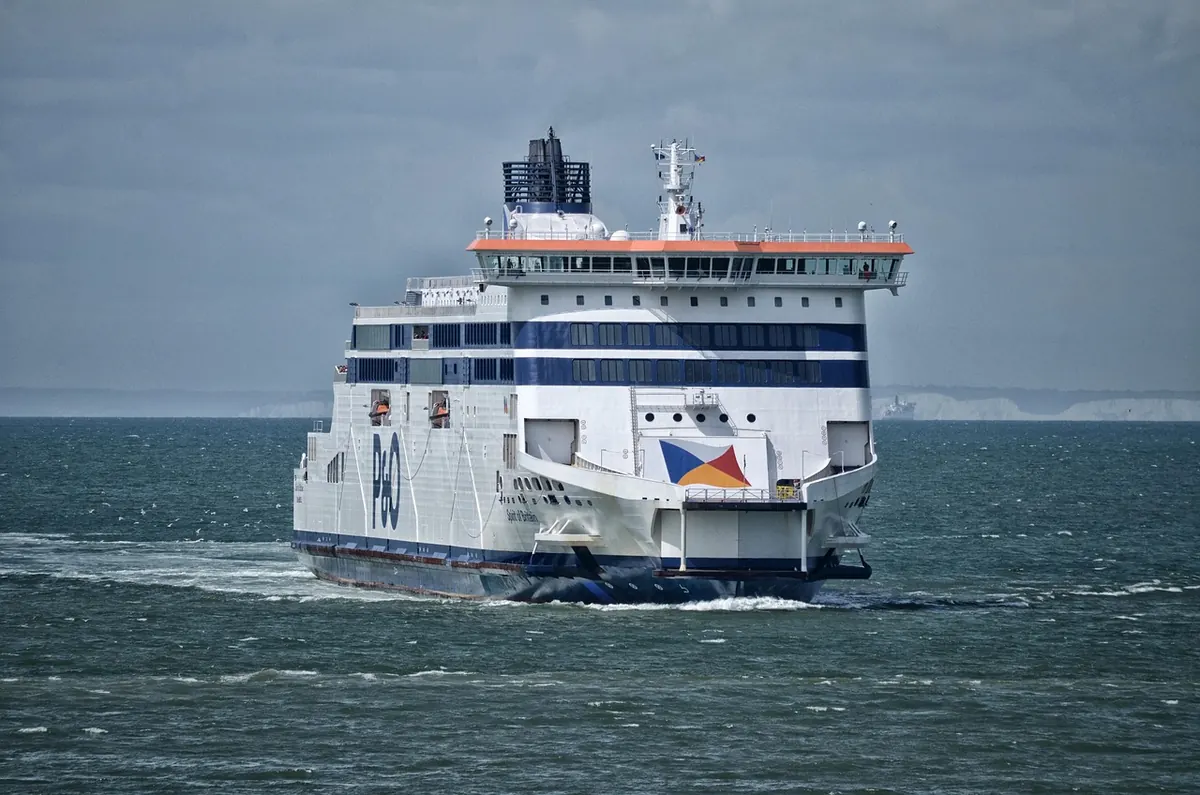
Dover to Calais is the shortest and busiest crossing between Britain and France, and two names share almost all of it. DFDS and P&O Ferries sail the same 90-minute stretch of water, from the same port, to the same French terminal. They price against each other, they match each other's schedules, and they both carry cars, coaches, freight and foot passengers. So the choice rarely comes down to one being dramatically better than the other. It comes down to which one suits the trip you are actually making.
P&O is the larger operation at Dover, with more sailings per day and a fleet built specifically for the route. DFDS matches it on frequency through most of the day and often undercuts it on price, particularly if you can be flexible about the hour you sail.
For a standard car crossing booked a few weeks ahead, either operator will get you there comfortably. If your timetable is tight and you want the widest choice of departures, P&O usually edges it. If cost matters more than the exact sailing time, DFDS is frequently the better buy.
A midweek morning in November and a Saturday in August are not the same product, even on the same ship. Fares on both routes are dynamic. They rise as sailings fill, and they rise sharply during school holidays. Headline "from" prices are advertising, not a quote — always compare on the exact date, time and vehicle you're travelling with.
The bigger differences show up in the detail:
One rule of thumb: check both operators for the same sailing slot before you commit. The gap is often small, but it isn't always.
Both operators run a near-hourly service through the day, starting early morning and finishing late evening, with a reduced overnight timetable. Crossings take around 90 minutes, plus around 30 minutes of loading and unloading either side. In practice, port to port, you should budget two and a half to three hours including check-in.
Check-in usually closes 45 to 60 minutes before departure for cars, and longer at peak times. Treat that as a deadline, not a suggestion. When Dover's border controls are busy — which tends to happen on summer weekends and around bank holidays — the queue starts well before the terminal.
On foot, both operators carry passengers on Dover–Calais, though facilities and coach transfers vary. If you're travelling without a vehicle, check the specific sailing rather than assuming.
Be realistic about what 90 minutes allows. Board, find a seat, buy a coffee, and you're being called back to the car. Neither operator is running a cruise ship.
That said, P&O's Dover fleet is generally the larger of the two, with more seating, more outlets and a wider choice of food. DFDS's Calais ships tend to be more compact. Both have a café or restaurant, a bar, a duty-free shop, baby-changing facilities and a children's area. Both sell access to a quieter premium lounge, which is worth considering on a busy half-term sailing when every seat is taken.
A few things people forget:
Both operators have mixed review profiles, and both handle disruption better at the port desk than over the phone. If a sailing is cancelled or delayed, go straight to the terminal desk rather than waiting for an email. Take a photo of any damage to your vehicle before you drive away, and keep your booking reference to hand.
It's worth knowing that P&O's reputation took a serious hit in 2022, when it dismissed around 800 seafarers at short notice and replaced them with agency crew, briefly suspending sailings. Some travellers have avoided the company since on principle. That's a legitimate consideration if it matters to you, though it isn't a reflection of how the ships run day to day. DFDS has had its own share of criticism, mainly around refunds and handling delays.
On service, my advice is to judge both on the same things: how quickly they answer the phone, how fairly they treat a missed sailing, and whether they put you on the next available crossing without a fight.
There's no wrong answer here. Both run a short, frequent, well-worn route. Pick the one that fits your budget and your timing on the day, and keep the other as a backup if plans change.
Photo: ThMilherou / Pixabay
Previous Post
How to Travel by Ferry with a Dog: Rules, Cabins, and Tips
Next Post
Ferries to the Scottish Isles: Summer vs Winter Travel Guide