Ferries to the Scottish Isles: Summer vs Winter Travel Guide
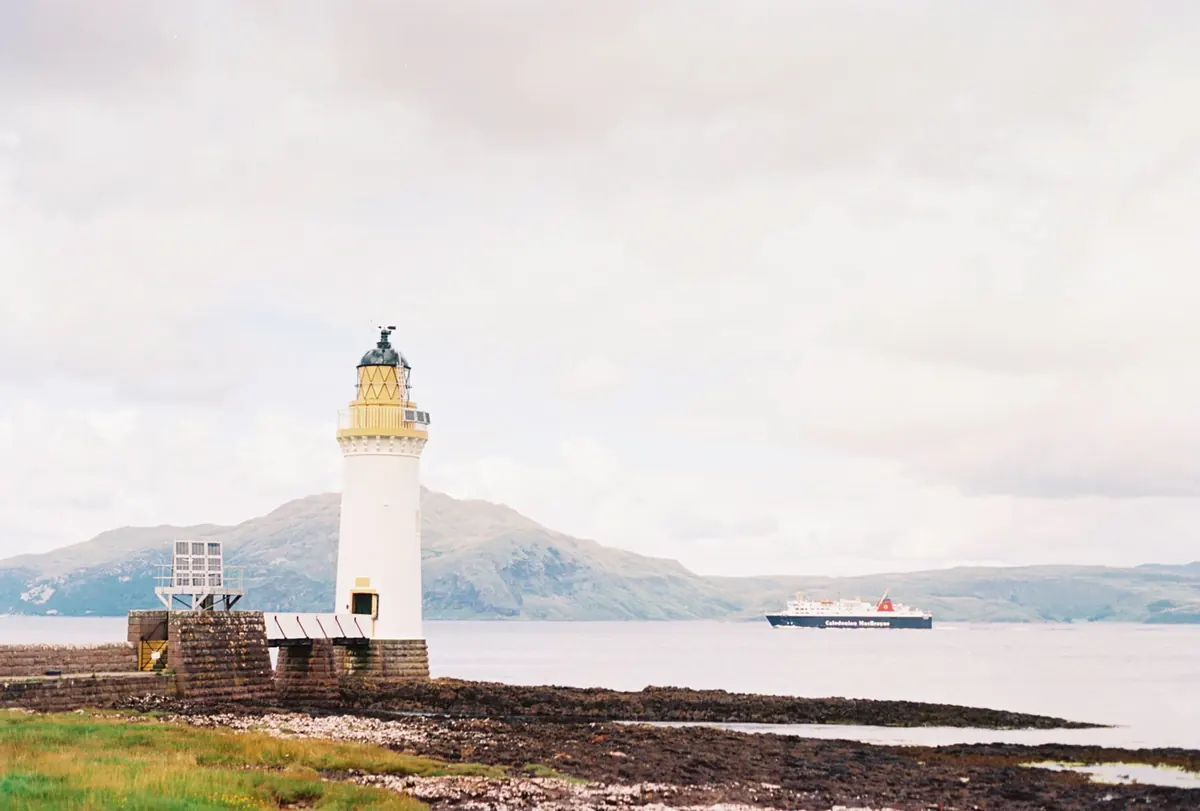
Ferries to the Scottish Isles are not simply transport. They are the first real taste of island time: the slow departure, the smell of salt and diesel, the moment the mainland slips astern. But the experience changes dramatically between summer and winter. The same crossing can feel like a floating festival in July and a quiet, weather-dependent lifeline in January. Understanding how timetables, weather and crowds shift with the seasons makes the difference between a smooth trip and a stressful one.
This guide looks at what actually changes, route by route and month by month, and how to plan around it. Whether you are heading to Arran, Mull, Islay, the Outer Hebrides, Orkney or Shetland, the principles are similar: book early in summer, stay flexible in winter, and never treat the ferry as an afterthought.
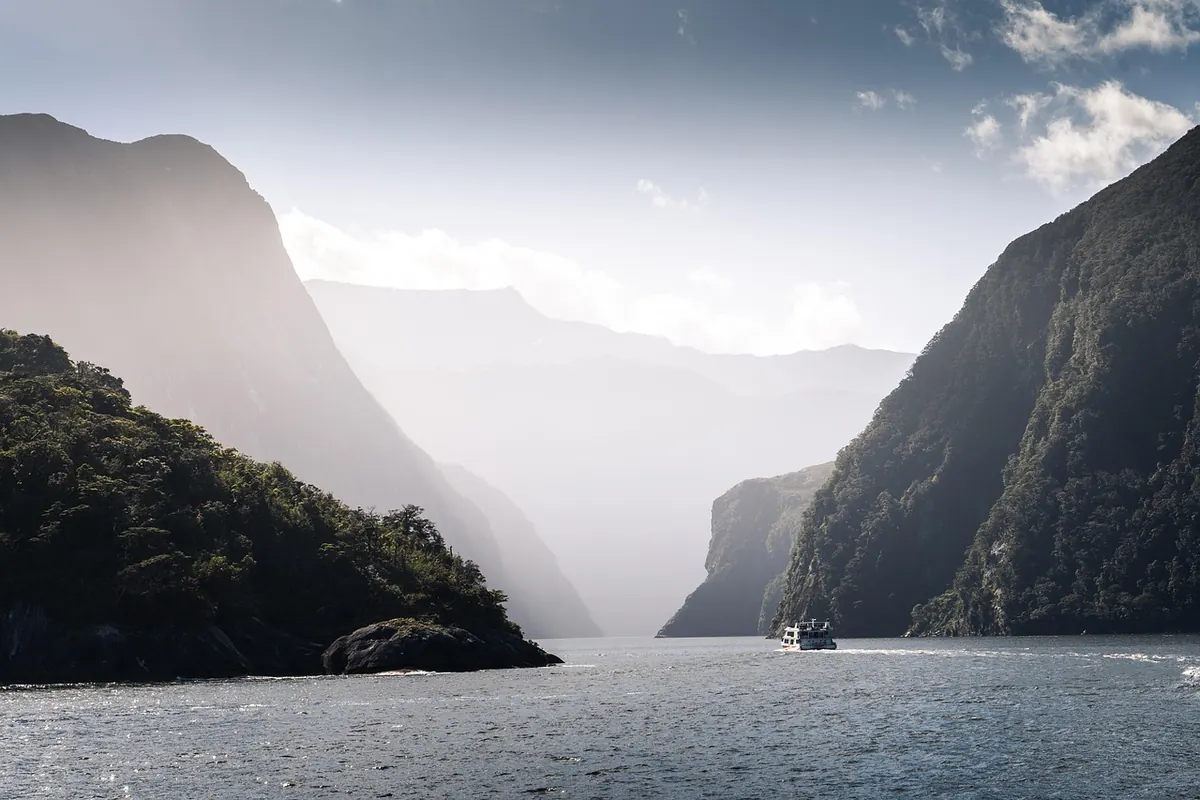
Summer is the obvious season for island travel. Daylight stretches late, campsites and hostels open, and ferry timetables are at their most generous. Operators such as CalMac on the west coast and NorthLink to Orkney and Shetland often add sailings or use larger vessels on busy routes. That said, "more sailings" does not mean "space for everyone".
The car deck is the pinch point. If you want to take a vehicle to a popular island on a summer weekend, book as soon as your dates are firm. For foot passengers, there is usually more flexibility, but popular afternoon and evening crossings can still fill. Accommodation is the other constraint. On islands with limited beds, a ferry ticket is useless if you have nowhere to stay. Book the crossing and the bed together, or be prepared to adjust your route.
Long evenings, outdoor cafes, wildlife trips, music festivals and walking without a headtorch. It is also the best time for open-ended island hopping, because more routes run and more facilities are open. The trade-off is cost and company: you will pay more for accommodation, and you will share the best viewpoints with plenty of other people.
Winter ferry travel is for people who value solitude, lower accommodation prices and a genuine sense of island life. Timetables often shrink. Some routes run less frequently, certain sailings are reduced, and a few services are more closely tied to daylight. On longer routes to the Northern Isles, winter crossings can be rough, and the weather can change plans with little warning.
Disruption is not only about hurricanes. Strong winds, heavy swell and poor visibility can all delay or cancel a sailing. A ferry that cannot dock in an exposed harbour may divert or return to port. This is normal, not a failure of the system. The trick is to build slack into your itinerary. If you have a flight, a job or a hospital appointment at the other end, do not take the last possible ferry.
Empty beaches, low light for photographers, warm pubs, and a chance to talk to people who actually live on the island. Many visitor attractions and restaurants run reduced hours or close altogether, so check ahead. But if you are self-sufficient and patient, winter can be the most rewarding season of all.
Ferry timetables are published in seasonal blocks, usually summer and winter. The exact dates vary by operator and route, so always check the current timetable rather than relying on last year's PDF. A few practical habits make booking much easier:
Some operators run seasonal fares or offers, but on many routes the bigger seasonal difference is availability rather than the ticket price itself. Accommodation, car hire and tours are where summer costs really climb.
Scottish island weather is changeable in every season. Summer can bring calm, warm days and also low cloud, rain and midges. Winter can bring crisp sunshine and also gales. The ferry itself is usually warm, but the decks are not. Dress in layers, bring a waterproof jacket, and keep a small bag with essentials rather than digging through a large suitcase on board.
Motion sickness is personal, but general advice helps: choose a larger ferry if you have a choice, sit amidships and low down, get fresh air, and avoid heavy meals or alcohol before sailing. If you are unsure about medication, speak to a pharmacist or your GP before you travel. If you have a health condition that could be affected by a delayed or rough crossing, carry enough medication in your hand luggage and tell someone travelling with you where it is.
The social rhythm of the islands shifts with the ferry timetable. In summer, popular destinations feel busy. In winter, they feel like themselves again.
Costs follow the same pattern. Accommodation is usually dearest in summer and cheapest in winter, though Christmas and New Year can buck that trend. Ferry fares are often fixed by route, but special offers may appear in quieter months. If your budget is tight, winter travel can be excellent value, provided you are not tied to a fixed date.
Choose summer if you want long days, outdoor festivals, easy island hopping and the widest choice of services. Choose winter if you want solitude, lower prices, dramatic skies and a slower pace. If you are travelling with young children or a tight itinerary, summer is generally easier, but it demands earlier booking. If you are a photographer, walker or writer, winter can give you the island without the crowd.
For a first trip to the Scottish Isles, late spring and early autumn are often the sweet spot: decent daylight, fewer people than July and August, and most services still open. The ferries are busy but not overwhelmed, and the weather can be kind.
Whichever season you pick, the same rules apply. Book the ferry and accommodation together. Check the timetable again a few days before travel. Build in a buffer day if you have a connection. Pack layers, waterproofs and any medication you need. Follow the operator's social media or status page for disruption updates, and have a plan B island or route in mind.
Most of all, accept that the ferry is part of the trip, not an obstacle between you and it. In summer, enjoy the buzz. In winter, enjoy the quiet. Either way, the Scottish Isles reward travellers who plan with the seasons rather than against them.
Photo: Anna Urlapova / Pexels
Previous Post
DFDS vs P&O Ferries: Which Operator Is Best on Dover-Calais?
Next Post
Ferry Packing Checklist: 15 Essentials for a Long Crossing